How to glue PTFE/Teflon plastic - polytetrafluoroethylene
Bonding of Polytetrafluoroethylene (PTFE Plastic), also known as Teflon
Polytetrafluoroethylene (PTFE), often called Teflon, is a highly crystalline thermoplastic produced by free radical polymerization of tetrafluoroethylene. Due to its excellent chemical resistance, high melting point, low friction coefficient, and outstanding fire resistance, it is typically used in applications requiring long-term performance under extreme conditions.
Although Teflon/PTFE has lower tensile strength, abrasion resistance, and creep resistance compared to other technical thermoplastics, it exhibits excellent impact strength, a friction coefficient lower than nearly any other material, a high oxygen index, and does not support combustion. Additionally, PTFE has useful mechanical properties at temperatures ranging from -200°C to 260°C. It offers exceptional chemical resistance to most organic compounds, including solvents, strong acids, and bases. Other fluoropolymers, such as fluorinated ethylene propylene (FEP), perfluoroalkoxyethylene (PFA), polychlorotrifluoroethylene (PCTFE), and ethylene tetrafluoroethylene copolymer (ETFE), have properties similar to PTFE but can be processed by common thermoplastic methods.
PTFE plastic is widely used across many industries and applications, including electrical insulation in high-temperature cables, connectors, and plugs due to its excellent chemical resistance and thermal stability. It is also used for mechanical components such as bushings, sliding and dust rings, seals, and bearing pads because of its low friction and wear resistance. Additionally, it is employed in various industries for manufacturing conveyor belt parts, packaging, flame-retardant laminates, chemical processing equipment, and 3D printing.
PTFE is not commonly used as a filament for 3D printing, but there may be needs to repair or assemble PTFE components not directly related to the 3D printing process, such as mounting parts on the printer or repairing mechanical components.
The surface tension of PTFE/Teflon is generally very low, typically around 18 to 20 dyn/cm, making direct bonding difficult without special surface treatment.
Some well-known fluoropolymer trade names used broadly in industry include:
Algoflon, Chemfluor, Fluon, Hostaflon, Teflon.
Bonding
Bonding PTFE/Teflon can be challenging due to the material’s low surface energy and non-adhesive nature.
The surface must be thoroughly cleaned to remove any contamination such as oils or greases that could prevent proper adhesion. Use an appropriate cleaning method, such as a non-residue solvent.
Because of PTFE’s strong chemical resistance and marked non-polarity, it is often unsuitable for bonding without pre-treatment. Surface etching can improve bonding strength, for example, with epoxy-based adhesives.
For optimal adhesion, it is often recommended to treat the surface with a primer or perform corona or plasma treatment before bonding, depending on the strength requirements of the joint.
Choose an adhesive specifically designed to bond to PTFE/Teflon.
- Epoxy adhesives are often used to bond PTFE due to their ability to adhere to low surface energy and chemically inert materials. However, epoxy is not always the best solution, and surface treatment before bonding is recommended.
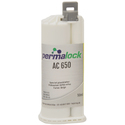
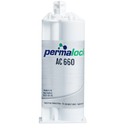
- A specially developed two-component hybrid-acrylate structural adhesive can eliminate the need for mechanical fastening or plastic welding on difficult-to-bond materials. This adhesive’s chemical formula is designed specifically for bonding PP, PE, and PTFE. These materials, typically hard to bond due to their low surface energy, achieve very high bond strength with this adhesive. It is fast curing, solvent-free, and requires no primer or other surface treatment.
- Allow the adhesive to cure fully according to the manufacturer’s instructions. After curing, perform a strength test to evaluate the durability and bond strength.
Manufacturers
PTFE adhesives are available under various brand names representing variants made by well-known plastic manufacturers. Colloquially called Teflon, but Teflon is actually a trademark.
Algoflon – Ausimont USA, Inc.
Chemfluor – Norton Performance
Fluon – ICA Americas Inc.
Hostaflon – Hoechst Celanese
Teflon – E.I. DuPont
Contact us
Do you have questions about bonding or need advice on choosing the right adhesive for your application? Our experts are ready to help you achieve reliable and durable bonding.
We offer solutions with adhesive products that are tailored to meet your specific needs.
Contact us today for professional advice and support.
Call us at +45 66171802 to speak directly with one of our specialists, or send us an email at info@hojstrup.dk.
We ensure that you receive the best guidance and support for your bonding projects.