How to Bond Polystyrene (PS Plastic)
How to Bond Polystyrene (PS Plastic)
The types of commercially available polystyrene can be divided into three main categories: crystal, high-impact (HIPS), and expandable polystyrene (EPS), also known as Styrofoam. Crystal polystyrene is an amorphous polymer made by polymerizing styrene monomer at elevated temperatures. It is a rigid, glossy material with excellent clarity but limited by poor impact strength. For applications requiring higher impact resistance, high-impact polystyrene is used. HIPS is made by blending polybutadiene rubber with the styrene monomer before polymerization. Polystyrene is also widely used as "Styrofoam." Styrofoam is mainly produced using expandable polystyrene beads (EPS), which contain a blowing agent. When heated, the blowing agent evaporates, causing the beads to expand into a lightweight foam.
Polystyrene is known for its optical clarity, rigidity, and ability to be processed by all thermoplastic methods. For outdoor use, protective coatings or UV stabilizers are recommended. Polystyrene generally has poor solvent resistance. Due to its low melting point, it is not recommended for high-temperature applications. It is a good insulator and has a low dielectric loss factor.
Polystyrene is widely used in various industries. In packaging, it is valued for its lightweight and insulating properties. In construction, it is used for window trims, doors, foundation profiles, and structural foam parts. In medicine, it is found in lab equipment like diagnostic tools, tissue culture flasks, and vacuum containers. These applications show polystyrene’s versatility and value across sectors.
The surface tension of Polystyrene (PS) is typically between 38 and 42 dyn/cm.
Here are some trade names for Polystyrene (PS): Dylark, Esbrite, Kaofulex, Polyrex, Polysar, Styron, and Styronol.
Bonding Polystyrene
Ensure bonding surfaces are clean, dry, and free of dust, grease, or contaminants. Use a non-residual cleaner if needed.
Polystyrene dissolves in hydrogen, enabling bonding of similar materials. It can also be bonded to other materials using contact adhesives or two-component adhesives.
Choose the right adhesive:
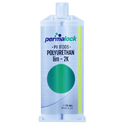
- Two-component polyurethane adhesives are good for flexible joints.
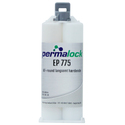
- Epoxy adhesives (2-component) offer rigid bonds with low elongation.
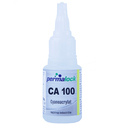
- Cyanoacrylate (superglue) works well for small areas where fast curing and brittleness are acceptable.
Let the adhesive cure according to manufacturer instructions for optimal bond strength.
Test the joint for strength and durability afterward.
Manufacturers and Trade Names
The following list presents recognized manufacturers in the polystyrene industry and their respective trade names. These trade names represent various types of polystyrene products that offer unique properties and applications within the industry.
ARCO Chemical: Dylark
Sumitomo Chemical: Esbrite
Kaofu Chemical: Kaofulex
Chi Mei Industrial: Polyrex
Novacor Chemicals: Polysar
Dow Chemical: Styron
Allied Resinous: Styronol
Contact us
Do you have questions about bonding or need advice on choosing the right adhesive for your application? Our experts are ready to help you achieve reliable and durable bonding.
We offer solutions with adhesive products that are tailored to meet your specific needs.
Contact us today for professional advice and support.
Call us at +45 66171802 to speak directly with one of our specialists, or send us an email at info@hojstrup.dk.
We ensure that you receive the best guidance and support for your bonding projects.