How to Bond Polyurethane (PU/PUR Plastic)
How to Bond Polyurethane (PU/PUR)
Polyurethanes are produced by the condensation reaction between an isocyanate and a material with hydroxyl functionality, such as a polyol. PU can have the chemical structure of either a thermoplastic or a thermosetting polymer and can physically appear as a rigid solid, a soft elastomer, or a foam. The chemical composition of PU can vary widely depending on the specific polyol and isocyanate types reacted to form the PU. The many different chemical structures and physical forms possible for PU make it a versatile and widely used polymer.
The main advantages of PU are that it maintains high impact strength at low temperatures, it is easily foamed, and it is resistant to abrasion, tearing, ozone, oxidation, fungi, and moisture. Although thermoplastic PU is affected by steam, fuels, ketones, esters, and strong acids and bases, it is resistant to aliphatic hydrocarbons and diluted acids and bases. However, thermoplastic PU has poor weather resistance due to its low UV degradation resistance.
Polyurethane (PU/PUR) is a versatile polymer used in various industries due to its excellent properties and adaptability. PU is used to manufacture pipes, bags, and dialysis membranes. Its biocompatibility and resistance to wear and chemical effects make it suitable for long-term use in critical medical environments. Industrial applications take advantage of PU’s wear resistance and durability. It is used in machine bearings, nuts, wheels, seals, and pipes, ensuring reliable function and long service life under various operating conditions. PU is popular for its comfort and durability, used in textiles and footwear, offering good shock absorption and long-lasting comfort.
The surface tension of Polyurethane (PU/PUR) is typically between 40 and 45 dyn/cm.
Manufacturers offer different variants of PU: Bayflex, Estane, Isoplast, Mor-Thane, Neuthane, Pellethane, Tecoflex, Tecothane, and Texin. These trade names represent different types of polyurethane products, each with specific properties and applications.
Bonding
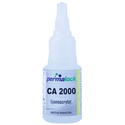
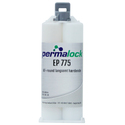
There are many bonding options depending on what the polyurethane is to be bonded with. Often, cyanoacrylate (super glue) or two-component adhesives, which can be epoxy- or polyurethane-based, are used.
As with all bonding, it is crucial that the chosen adhesive is suitable for the purpose and that thorough cleaning and preparation of the bonding surfaces are performed.
Make sure the surfaces to be bonded are clean, dry, and free of dust, oils, or other contaminants. It is recommended to use a non-residue cleaner.
Choose an adhesive suitable for Polyurethane (PU/PUR):
- Cyanoacrylate adhesives cure very quickly and have very high strength. It is often the right adhesive when bonding polyurethane. However, cyanoacrylate is brittle and not resistant to all media. Therefore, it has limitations if two non-flexible parts are bonded or if the bond must be permanently underwater. Cyanoacrylate is water-resistant but loses adhesion over time if in permanent contact with water.
- Two-component adhesives are also suitable for bonding polyurethane materials. These adhesives consist of a base and a hardener mixed just before application. They are known for their strong and durable bonding properties, ideal for applications where polyurethane must be robustly bonded. It is important to choose a two-component adhesive compatible with the chemical composition and surface properties of the polyurethane and to follow the manufacturer’s instructions for surface preparation and adhesive application.This can be a two-component polyurethane-based adhesive, offering very high adhesion, good resistance, and optional flexibility since the adhesive comes in many hardness levels. It can also be an epoxy adhesive, which adheres well to polyurethane, is more brittle, but resistant to most chemicals.
Allow the adhesive to cure for the time specified by the manufacturer to ensure the PU adhesive achieves full strength and bonding capability.
After curing, test the result to ensure the bond is sufficiently strong and reliable.
Manufacturers of PU Plastics
Here is a list of some well-known trade names for polyurethane plastics (PU), produced by leading manufacturers. These products are used across various industries due to their robustness and wide range of applications.
Bayflex and Texin by Miles Inc.
Estane by B.F. Goodrich Chemical
Isoplast and Pellethane by Dow Chemical
Mor-Thane by Morton
Neuthane by New England Urethane
Tecoflex and Tecothane by Thermedics Inc.
Contact us
Do you have questions about bonding or need advice on choosing the right adhesive for your application? Our experts are ready to help you achieve reliable and durable bonding.
We offer solutions with adhesive products that are tailored to meet your specific needs.
Contact us today for professional advice and support.
Call us at +45 66171802 to speak directly with one of our specialists, or send us an email at info@hojstrup.dk.
We ensure that you receive the best guidance and support for your bonding projects.