How to glue Nitrile Rubber (NBR Rubber)
How to glue Nitrile Rubber (NBR, XNBR)
Nitriles are known for their superior performance at high and low temperatures as well as their exceptional resistance to oil, gasoline, and solvents. These properties, along with their good abrasion resistance, water resistance, and low compression set, make them suitable for a wide range of applications. For superior tensile properties or oil resistance, a high level of acrylonitrile should be used. If low temperature performance is critical, a low acrylonitrile level is more appropriate. Fillers can also be used to enhance the performance of nitrile elastomers. Addition of carbon black and/or mineral fillers will increase hardness at the expense of reduced elongation. Fillers can also be used to increase the tensile strength of nitrile elastomers; however, the effect is not as clear.
Nitrile Rubber (NBR) is widely used due to its excellent properties. In industry, it is used for seals, hoses, pipes, belts, electrical cables and wires, as well as gaskets, ensuring durability and resistance. Additionally, NBR is used in various industrial applications such as adhesives, cements, and as additives for PVC and ABS, improving the performance and durability of these materials.
The surface tension of nitrile rubber (NBR) typically ranges between 28 and 35 dyn/cm.
Nitrile Rubber (NBR) is marketed under various trade names, representing specific brands of this synthetic rubber. Some of the most well-known trade names include BREON, CHEMIGUM, HUMEX, KRYNAC, NIPOL, NYSEN, and PERBUNAN.
Gluing
Start by thoroughly cleaning and degreasing the surface to remove any contaminants, oil, or dust. Use a suitable non-aggressive cleaning fluid. To improve adhesive bonding, consider applying a primer or performing a corona or plasma treatment on the NBR surface.
Selection of NBR Adhesive
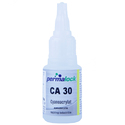
- Cyanoacrylate adhesive (CA glue) is known for its fast curing time and strong adhesion properties. It is suitable for bonding NBR, especially for quick applications.
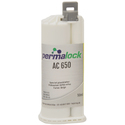
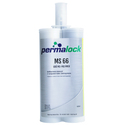
- Methacrylate adhesives are known for their strong and durable bonding properties on various materials, including NBR. They offer good resistance to water, weather, and chemicals, making them suitable for industrial applications.
- UV-curing adhesives cure quickly when exposed to ultraviolet light and provide strong bonding strength. Choose an adhesive specifically designed to bond to rubber and elastomers like NBR.
- Silicone-based adhesives can also be suitable for bonding NBR, especially when flexibility and resistance to chemicals and temperature changes are required.
When gluing Nitrile Rubber (NBR), it is important to carefully follow the manufacturer's instructions to ensure a reliable and durable bond. It is always recommended to perform adhesive testing to verify that the chosen adhesive meets the specifications and requirements for your specific application. This ensures optimal adhesion and performance of NBR in your projects.
Manufacturers
Nitrile Rubber (NBR) is produced by several leading manufacturers in the chemical industry, marketing the product under various trade names:
BREON from B.P. Chemicals
CHEMIGUM from Goodyear
HUMEX from Huels Mexicanos
KRYNAC from Polysar International
NIPOL from Nippon Zeon
NYSEN from Copolymer Rubber
PERBUNAN from Mobay
Contact us
Do you have questions about bonding or need advice on choosing the right adhesive for your application? Our experts are ready to help you achieve reliable and durable bonding.
We offer solutions with adhesive products that are tailored to meet your specific needs.
Contact us today for professional advice and support.
Call us at +45 66171802 to speak directly with one of our specialists, or send us an email at info@hojstrup.dk.
We ensure that you receive the best guidance and support for your bonding projects.