How to glue Polyamide-imide (PAI plastic)
How to Bond Polyamide-imide (PAI Plastic)
PAI – Polyamide-imide is a semi-crystalline thermoplastic material. It combines mechanical strength and dimensional stability in a way that makes it particularly suitable for components subjected to high loads and elevated temperatures.
PAI is particularly used for heavily loaded machine parts and components that are also exposed to high temperatures.
It is often used in engine components such as pistons, piston rings, valves, and similar parts, where it can advantageously replace conventional materials.
PAI (Polyamide-imide) is known for its high operating temperature, excellent mechanical strength and stiffness over a wide temperature range, extreme dimensional stability, good wear and friction properties, UV resistance, resistance to radioactive radiation, low flammability, high rigidity, and great fatigue strength.
This makes it ideal for demanding industrial and technical applications where reliability and long service life are essential.
Typically, the surface energy of polymers such as PAI lies in the medium range, usually between 40–50 dyn/cm, but this can vary depending on the material’s condition and treatment.
Polyamide-imide (PAI plastic) is best known under the trade name Torlon.
Bonding – Choosing Adhesive for PAI
The surface of PAI must be clean, dry, and free from any contaminants such as oil, dust, or other particles that may hinder adhesive bonding. It may be necessary to use a non-residual cleaning fluid.
It is recommended to choose an adhesive that is compatible with the chemical structure of PAI and that can withstand the required operating conditions (temperature, chemical exposure, etc.).
PAI can be bonded with epoxy adhesive and cyanoacrylate. The surface should be cleaned and treated by sanding or etching.
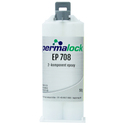
- Epoxy adhesive can be used to bond PAI. Epoxy is chosen due to its strength and ability to bond various materials. Epoxy is also available in high-temperature-resistant variants.
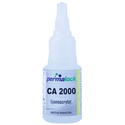
- The right type of cyanoacrylate glue, also known as instant glue/super glue, can be used for bonding PAI. This adhesive is known for fast curing and strong bonding on various materials, including PAI. However, cyanoacrylate has lower temperature resistance than epoxy.
The adhesive must be allowed to cure according to the manufacturer's instructions to achieve optimal strength.
After bonding, the joint should be tested to ensure it meets the required mechanical and performance parameters, including tensile strength, temperature resistance, and chemical resistance. Always follow the adhesive manufacturer's instructions and technical datasheet to ensure proper use and achieve the desired results.
Manufacturers
Torlon is a registered trademark for a family of polyamide-imides (PAI) produced by Solvay Specialty Polymers.
Contact us
Do you have questions about bonding or need advice on choosing the right adhesive for your application? Our experts are ready to help you achieve reliable and durable bonding.
We offer solutions with adhesive products that are tailored to meet your specific needs.
Contact us today for professional advice and support.
Call us at +45 66171802 to speak directly with one of our specialists, or send us an email at info@hojstrup.dk.
We ensure that you receive the best guidance and support for your bonding projects.